
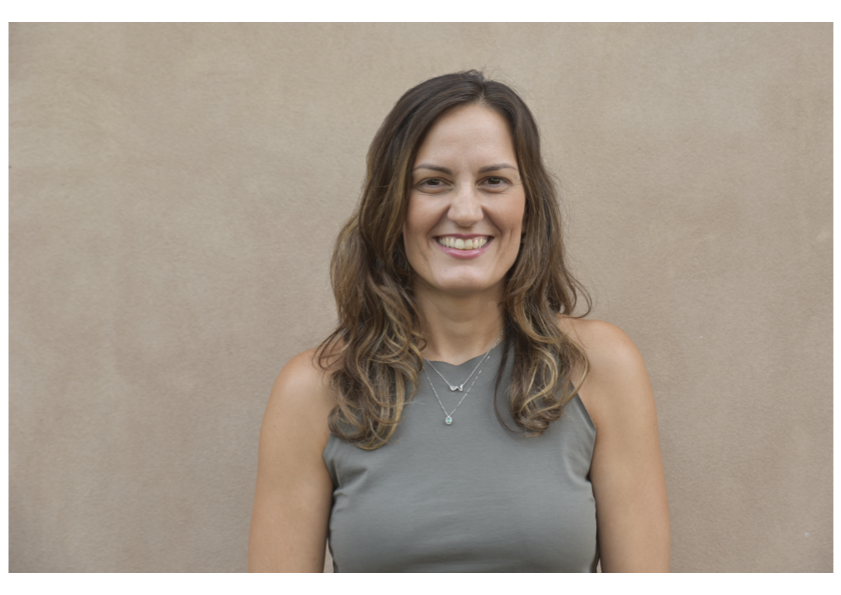
GIULIA RUSSO
Keywords
In Silico Medicine and computational biomedicine; in silico trials, virtual patients and digital twins; mechanistic and agent-based modelling; computational immunology and immune system modelling; modelling and simulation of disease progression and treatment response; New Approach Methodologies (NAMs) and in silico toxicology; computational model credibility, verification, validation and qualification; regulatory science and regulatory translation of in silico evidence; systems biology and multiscale modelling; bioinformatics and computational analysis of biological and biomedical data.
Giulia Russo is a Researcher in Computer Science (INFO-01/A) at the Department of Drug and Health Sciences, University of Catania. Originally trained as a pharmacist and holding a PhD in Basic and Applied Biomedical Sciences, she has developed an interdisciplinary profile at the interface of pharmaceutical sciences, computer science and computational biomedicine.
Her scientific activity focuses on In Silico Medicine, with particular interests in mechanistic and agent-based modelling, in silico trials, virtual patients and digital twins, computational immunology, and computational model credibility for translational and regulatory applications. She is a senior member of the COMBINE – Computational Modeling in Systems Biomedicine research group and co-founder of the academic spin-off MIMESIS S.r.l.
Giulia Russo is a Researcher in Computer Science (INFO-01/A) at the Department of Drug and Health Sciences, University of Catania. Originally trained as a pharmacist and holding a PhD in Basic and Applied Biomedical Sciences, she has developed an interdisciplinary scientific profile at the interface of pharmaceutical sciences, computer science and computational biomedicine. Her research focuses on In Silico Medicine, particularly mechanistic and agent-based modelling of biological and immune systems, the development of in silico trials, virtual patients and digital twins, and the simulation of disease progression and treatment response. A further major focus of her research is the credibility, validation and qualification of computational models and their regulatory translation, as well as the application of in silico approaches within New Approach Methodologies (NAMs).
She is a senior member of the COMBINE – Computational Modeling in Systems Biomedicine research group, where she contributes to the development and application of the UISS – Universal Immune System Simulator platform. Her research spans infectious, autoimmune and rare diseases, vaccinology and computational toxicology. She has contributed to several national and international research initiatives, including STriTuVaD, 3TR, SIGNATURE, ITHEMYC, ERAMET, In Silico World, and Spoke 8 – In Silico Medicine & Omics Data of the Italian National Centre for HPC, Big Data and Quantum Computing, also holding scientific and coordination responsibilities.
She is co-founder of the academic spin-off MIMESIS S.r.l., focused on the development and translation of simulation technologies for the life sciences. She is also a member of the Executive Committee of the VPH Society – The Society for In Silico Medicine, a member of the FWO Review College, an external reviewer for the Italian VQR 2020–2024, and a member of the PhD Board in Computer Science at the University of Catania. Her international editorial activities include serving as Handling Editor of Briefings in Bioinformatics. Her teaching activities cover computer science, data analysis and digital transformation in pharmaceutical sciences.
Giulia Russo’s research activities are in the field of In Silico Medicine and computational biomedicine, with a particular focus on the development, verification, validation and application of mechanistic models for the investigation of complex biological systems. Her research primarily focuses on agent-based modelling of the immune system, the generation of virtual patients and virtual cohorts, and the development of in silico trials to simulate disease progression, mechanisms of action and responses to drugs, vaccines and other therapeutic interventions.
A major component of her research involves the development and application of the UISS (Universal Immune System Simulator) platform across different disease areas, particularly infectious, autoimmune and rare diseases, as well as computational toxicology. Her activities also encompass the integration of multiscale models, biological and clinical data, and advanced computational methodologies to develop predictive and translational modelling approaches.
A further research focus is the use of modelling and simulation as a New Approach Methodology (NAM) and the credibility and regulatory assessment of in silico models, with the aim of enabling robust and reliable computational evidence to support medicinal product development and evaluation. These activities are conducted within the COMBINE – Computational Modeling in Systems Biomedicine research group and through national and international research projects.
Alongside her research and teaching activities, Giulia Russo is actively involved in scientific, institutional, editorial and technology-transfer activities at national and international level. She is a member of the Executive Committee of the VPH Society – The Society for In Silico Medicine and of the FWO Review College, contributing to the evaluation of research projects and fellowships. She also serves as an external reviewer for the Italian VQR 2020–2024 and as a member of the PhD Board in Computer Science at the University of Catania.
She is actively involved in international scientific publishing and peer review and serves as Handling Editor of Briefings in Bioinformatics, in addition to contributing as editor and guest editor to several editorial initiatives in bioinformatics, systems biology and computational biomedicine. She contributes to the organisation of international scientific events and workshops focused on computational modelling of biological and immune systems.
In the field of technology transfer, she is co-founder of the academic spin-off MIMESIS S.r.l., established to foster the translation and exploitation of computational modelling and simulation methodologies and technologies in the life sciences.